
Handwriting Guide: A Comprehensive Overview (Updated 12/20/2025)
Today, December 20th, 2025, this guide explores handwriting, addressing styles, problems, and improvements. It also briefly touches upon recognition technology and age-specific development.
Handwriting, a fundamental skill, represents a uniquely personal form of communication, blending cognitive function with fine motor skills. It’s more than just forming letters; it’s a complex process involving planning, memory, and execution. Throughout history, handwriting has served as a primary method for recording information, expressing creativity, and establishing identity.
However, in our increasingly digital world, the importance of legible handwriting is often questioned. Despite the prevalence of keyboards and touchscreens, handwriting remains relevant, impacting areas like education, personal expression, and even cognitive development. This guide aims to provide a comprehensive overview, exploring various aspects of handwriting, from styles and techniques to potential challenges and modern advancements like handwriting recognition technology.
The Importance of Legible Handwriting
Legible handwriting remains crucial despite digital advancements, impacting numerous facets of daily life. Clear handwriting facilitates effective communication, ensuring messages are accurately received and understood, minimizing misinterpretations in notes, forms, and correspondence. In educational settings, neat handwriting demonstrates care and respect for work, aiding both the student’s comprehension and the teacher’s assessment.
Furthermore, the act of handwriting itself strengthens cognitive skills, enhancing memory and fine motor coordination. While technology offers convenience, handwriting fosters a deeper connection to the written word, promoting thoughtful expression and personalized communication. Maintaining legible handwriting is, therefore, a valuable skill worth cultivating.
Understanding Different Handwriting Styles
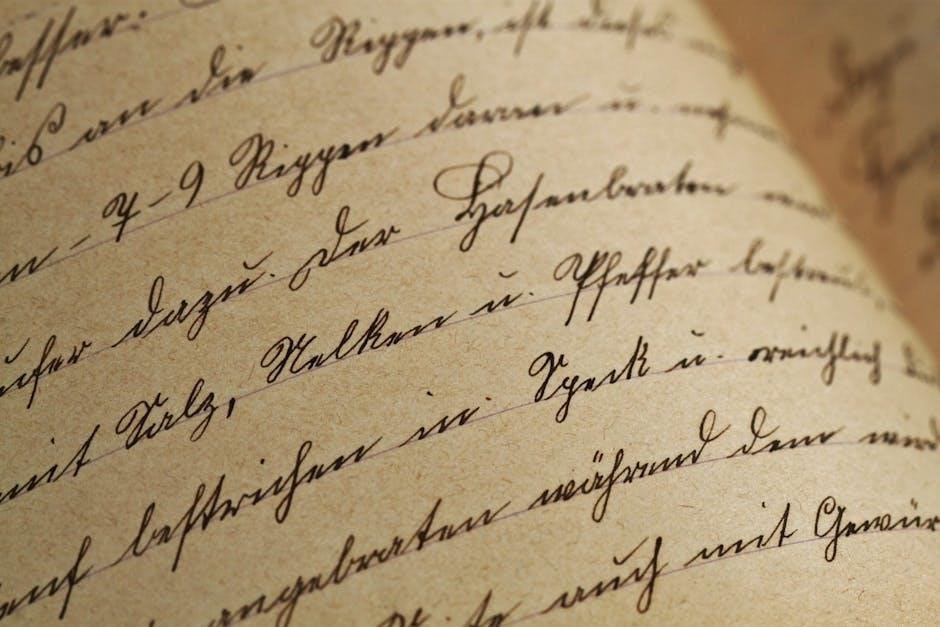
Handwriting styles are diverse, reflecting individual preferences and cultural influences. Broadly, they fall into three categories: cursive, print (block letters), and hybrid styles blending both. Cursive emphasizes fluidity with connected letters, historically taught for speed and elegance. Print focuses on distinct, separated letters, often favored for clarity and simplicity.
Hybrid styles offer versatility, combining the benefits of both. Variations within each style are numerous, influenced by factors like slant, letter size, and pressure. Recognizing these differences is key to understanding individual handwriting and appreciating its unique characteristics. Analyzing these styles provides insight into personal expression.
Cursive Handwriting
Cursive handwriting, characterized by flowing, connected letters, historically prioritized speed and legibility. Its origins trace back to practical needs for efficient communication. Traditional cursive instruction emphasized consistent slant, loop formation, and connecting strokes. However, modern usage has declined, with many schools reducing or eliminating cursive instruction.
Despite this trend, cursive retains value for personal expression and historical document reading. Mastering cursive requires dedicated practice, focusing on muscle memory and consistent letter formation. Variations exist, reflecting regional and individual styles. Revitalizing cursive skills can enhance cognitive function and appreciation for penmanship.
Print Handwriting (Block Letters)
Print handwriting, also known as block letters, involves distinct, unconnected characters. It’s often the first handwriting style taught to children due to its simplicity and ease of formation. Each letter is carefully constructed, promoting clarity and legibility. Consistent size, shape, and spacing are crucial for effective print handwriting.

While generally slower than cursive, print offers greater readability for some individuals. Modern adaptations include variations in letterforms and stylistic flourishes. Mastering print requires focused practice on individual letter construction and maintaining uniform spacing. It remains a foundational skill for clear communication and documentation.
Hybrid Styles
Hybrid handwriting styles represent a blend of cursive and print, offering a personalized approach to penmanship. Individuals often develop these styles organically, combining the fluidity of cursive with the clarity of printed letters. Common characteristics include connecting some letters while leaving others distinct, or incorporating cursive loops into otherwise block-style writing.
These styles prioritize both speed and legibility, adapting to individual preferences and writing habits. Mastering a hybrid style requires conscious effort to maintain consistency and balance between the two foundational techniques. It’s a practical choice for everyday writing, offering a comfortable and efficient method.

Common Handwriting Problems & Their Causes
Numerous challenges can affect handwriting quality. Illegible letter formation often stems from improper technique or insufficient practice, leading to ambiguous characters. Inconsistent letter size and spacing disrupt visual flow, making text difficult to read; this can be due to a lack of focus or ingrained habits.
Physical factors also play a role. Poor grip and posture restrict movement and control, resulting in cramped or strained writing. Underlying conditions like dysgraphia can significantly impact handwriting development; Addressing these issues requires targeted practice, ergonomic adjustments, and, when necessary, professional evaluation.
Illegible Letter Formation
Poorly formed letters are a primary cause of illegibility. This often manifests as incomplete strokes, incorrect loops, or ambiguous shapes, particularly in letters like ‘a’, ‘e’, ‘r’, and ‘g’. Insufficient practice and a lack of attention to detail contribute significantly to this issue.
Incorrect muscle memory reinforces flawed formations over time. Focusing on foundational strokes and consistently practicing letter construction is crucial. Breaking down letters into their component parts and slowly rebuilding them can improve clarity. Regular drills and mindful repetition are key to establishing correct letter forms.
Inconsistent Letter Size & Spacing
Variations in letter height and width disrupt the visual flow and readability of handwriting. Some letters may appear towering while others shrink, creating an unbalanced appearance. Uneven spacing – too cramped or excessively wide – further exacerbates the problem, making words difficult to distinguish.

Maintaining consistent x-height (the height of lowercase letters) is vital. Practice writing on lined paper, consciously controlling the size of each letter. Consistent spacing between letters within words and between words is equally important for clarity and aesthetic appeal. Regular practice focusing on uniformity is essential.
Poor Grip & Posture
An incorrect pen grip – too tight, too loose, or awkwardly positioned – significantly hinders handwriting quality. This leads to hand fatigue, cramping, and reduced control. Poor posture, such as slouching or writing with a bent wrist, compounds these issues, restricting movement and impacting legibility.
Optimal grip involves a relaxed tripod hold (thumb, index, and middle finger). Maintain an upright posture with feet flat on the floor and elbows at a comfortable angle. Regular breaks are crucial to prevent strain. Correcting these fundamentals unlocks smoother, more controlled handwriting.
Tools & Materials for Improving Handwriting
Selecting the right tools is paramount for handwriting improvement. Pens offer varied nib sizes and ink flows; gel, ballpoint, and fountain pens each provide a unique writing experience. Pencils, with different lead grades, allow for erasability and shading.
Paper quality significantly impacts smoothness and bleed-through. Smooth, thicker paper is ideal for fountain pens, while standard paper suits ballpoints. Handwriting practice workbooks provide guided exercises. Online resources and printable templates further aid skill development. Experimentation is key to finding what best suits your needs.

Pens & Pencils: Choosing the Right Tool
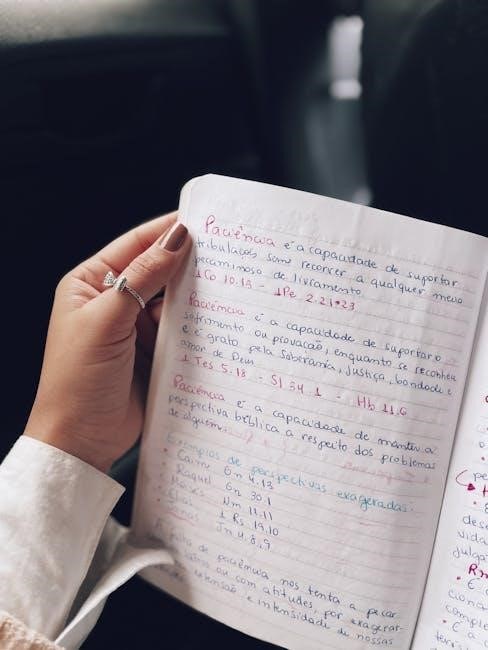
Selecting a pen or pencil hinges on personal preference and handwriting style. Fountain pens offer smooth ink flow and varied line widths, ideal for cursive. Ballpoint pens are reliable and versatile, suitable for most users. Gel pens provide vibrant color and effortless writing.
Pencils, ranging from hard to soft leads (HB being standard), allow for control and erasability. Consider grip comfort; ergonomic designs reduce strain. Experiment with different weights and barrel shapes. The right tool enhances control and makes practice more enjoyable, ultimately improving legibility.
Paper Quality & Its Impact
Paper texture significantly impacts handwriting smoothness and ink bleed. Smooth paper, like that found in high-quality notebooks, minimizes friction, allowing for effortless pen gliding. Rougher paper provides more tactile feedback, potentially aiding control for some.
Paper weight (measured in gsm) determines how much ink it can absorb without feathering or ghosting. Heavier paper (80gsm+) is preferable for fountain pens. Lined paper aids alignment, while blank paper encourages freeform practice. Choosing the right paper complements your chosen writing tool and enhances the overall experience.
Handwriting Practice Workbooks & Resources
Numerous workbooks cater to various skill levels, from beginner tracing exercises to advanced calligraphy drills. These resources often focus on letter formation, spacing, and slant control, providing structured practice. Online platforms offer interactive lessons and personalized feedback, supplementing traditional methods.
Free printable worksheets are readily available, offering cost-effective practice options. Websites and apps provide guided handwriting tutorials and assessments. Consider resources tailored to specific handwriting styles – cursive, print, or hybrid – to maximize improvement. Consistent practice with quality materials yields noticeable results.
Techniques for Improving Handwriting
Effective improvement requires a multi-faceted approach. Firstly, focus on correcting your grip and posture – a relaxed, comfortable hold is crucial. Secondly, dedicate time to letter formation drills, concentrating on consistency and clarity. Spacing and slant control are also vital; practice maintaining uniform distances between letters and a consistent angle.
Slow, deliberate practice is more beneficial than rushing. Regularly review your handwriting, identifying areas for improvement. Utilize lined paper as a guide, gradually reducing reliance on it. Consider mirroring exemplary handwriting styles for inspiration and refinement.
Grip & Posture Correction
Achieving a proper grip is foundational for legible handwriting. Avoid a death grip; instead, aim for a relaxed, tripod hold – thumb, index, and middle finger supporting the pen. Ensure your feet are flat on the floor and your back is straight, providing a stable base.
Position the paper at a slight angle, comfortable for your writing hand. Forearm support is crucial; rest your forearm on the table to reduce strain. Regular breaks prevent fatigue and maintain proper form. Experiment with different pen grips to find what feels most natural and controlled.
Letter Formation Drills
Consistent practice with letter formation drills is key to improvement. Begin with basic strokes – circles, lines, and curves – mastering these building blocks. Focus on individual letters, repeatedly practicing those most problematic. Utilize lined paper to maintain consistent size and alignment.
Trace letters initially, then attempt freehand copying. Slow, deliberate movements are more effective than speed. Break down complex letters into simpler components. Regular, short sessions are preferable to infrequent, lengthy ones. Consider workbooks offering structured drills for targeted practice and noticeable progress.
Spacing & Slant Control
Consistent spacing between letters and words dramatically improves legibility. Aim for a uniform width equivalent to a lowercase ‘o’ between words. Letter spacing should be slightly smaller, allowing for visual grouping. Slant control contributes to a neat and organized appearance.
Practice maintaining a consistent angle for your writing – either upright or with a gentle forward slant. Use guidelines on paper to assist with slant consistency. Avoid erratic shifts in angle. Regular drills focusing on uniform spacing and slant will refine your handwriting’s overall aesthetic and clarity.
Handwriting Analysis (Graphology) ‒ A Brief Overview
Graphology, the study of handwriting, attempts to reveal personality characteristics. While not universally accepted as scientifically valid, it remains a popular area of interest. Certain features, like letter size, slant, and pressure, are interpreted by graphologists.

Larger writing may suggest extroversion, while smaller writing could indicate introversion. A right slant is often associated with emotional expressiveness, and a left slant with restraint. Pressure reveals energy levels. It’s crucial to remember graphology offers potential insights, not definitive judgments.
Handwriting Recognition Technology & Its Advancements
Handwriting recognition technology converts handwritten text into digital format. Early systems struggled with variations, but advancements in machine learning, particularly deep learning, have dramatically improved accuracy. These systems utilize algorithms to analyze shapes, strokes, and contextual clues.

Current applications include digitizing historical documents, processing forms, and enabling handwritten input on devices. However, challenges remain, especially with complex scripts like Arabic, due to cursive connections and character overlap. Ongoing research focuses on enhancing robustness and adaptability.
Challenges in Arabic Handwriting Recognition
Arabic handwriting recognition faces unique hurdles compared to Roman scripts. The script’s cursive nature, where letters seamlessly connect, creates ambiguity in segmentation – distinguishing individual characters. Overlapping characters and significant stylistic variations between writers further complicate analysis.
Contextual understanding is crucial, as letter shapes change based on their position within a word. The abundance of diacritics (vowel markings) adds another layer of complexity. Existing algorithms often struggle with these nuances, requiring specialized models and extensive training datasets to achieve acceptable accuracy rates.
Applications of Handwriting Recognition
Handwriting recognition technology boasts a diverse and expanding range of applications. Digital archiving of historical documents is a key area, converting handwritten texts into searchable, editable formats. In healthcare, it streamlines patient record management, transcribing doctor’s notes efficiently.
Financial institutions utilize it for check processing and form data extraction. Educational applications include automated essay grading and personalized learning tools. Furthermore, it powers note-taking apps and digital signatures, enhancing convenience and accessibility. Ongoing advancements promise even broader integration across various sectors.
Handwriting for Different Age Groups
Early childhood handwriting development focuses on pre-writing skills – grip strength and form perception. Elementary education introduces basic letter formation, transitioning from print to cursive. Beyond elementary school, handwriting refines into a personal style, emphasizing legibility and speed.
Adults may focus on improving clarity for professional contexts or personal enjoyment. Age-related decline can necessitate adaptive techniques and tools. Understanding these developmental stages allows for tailored instruction and support, fostering confidence and effective communication throughout life.
Early Childhood Handwriting Development
Preschoolers begin with pre-writing skills, building hand and finger muscle strength through play. Activities like drawing, coloring, and using playdough are crucial. Kindergarten introduces letter recognition and formation, initially focusing on uppercase letters due to their simpler shapes.
Early stages emphasize proper grip and posture, alongside tracing exercises. Patience and positive reinforcement are key. Development varies significantly; some children master handwriting earlier than others. The goal is to foster a positive association with writing, not perfection, laying a foundation for future success.
Handwriting in Education (Elementary & Beyond)
Elementary school reinforces handwriting skills, transitioning to lowercase letters and cursive introduction. Consistent practice and feedback are vital. Curriculum often integrates handwriting into various subjects, not just dedicated lessons.
Beyond elementary, handwriting’s emphasis may decrease with increased technology use. However, it remains important for note-taking, exams, and cognitive development. Educators often balance handwriting with keyboarding skills. Legibility and speed are key goals, alongside developing a personal handwriting style. Maintaining these skills supports overall academic performance.