
E46 M3 SMG to Manual Conversion: A Comprehensive Guide
Converting an E46 M3 from SMG to a manual transmission is a popular, though costly, modification; expect around $2500, with machining adding $450-600.
The transition from the Sequential Manual Gearbox (SMG) to a traditional manual transmission in the E46 M3 represents a significant undertaking for enthusiasts seeking a more engaging driving experience. While the E46 M3 is celebrated as a benchmark sports car, its SMG gearbox has often been a point of contention. This conversion isn’t simply a swap; it’s a comprehensive process involving numerous components and careful execution.
Many owners desire the tactile control and direct connection offered by a manual gearbox, especially given the E46 M3’s renowned chassis balance. This guide aims to provide a detailed overview of the entire conversion process, from understanding the SMG system and sourcing parts to the installation steps, potential issues, and associated costs. It’s a journey that demands both mechanical skill and financial investment, but one that ultimately unlocks the full potential of this iconic BMW.
Why Convert from SMG?
Despite its technological advancements, the E46 M3’s SMG gearbox often falls short of enthusiast expectations. Common complaints include jerky low-speed shifts, slow pedal response, and a general disconnect from the driving experience; While offering quicker shifts in ideal conditions, the SMG lacks the intuitive feel and control of a traditional manual transmission.
Many drivers prefer the direct engagement and predictability of a manual, allowing for greater control during spirited driving and track use. The SMG’s complexity also introduces potential maintenance headaches and higher repair costs. Converting to manual addresses these concerns, enhancing the car’s overall driving pleasure and reliability. Ultimately, the conversion caters to those who prioritize driver involvement and a more classic sports car feel, transforming the M3 into the machine many believe it should have been from the factory.
Understanding the SMG System

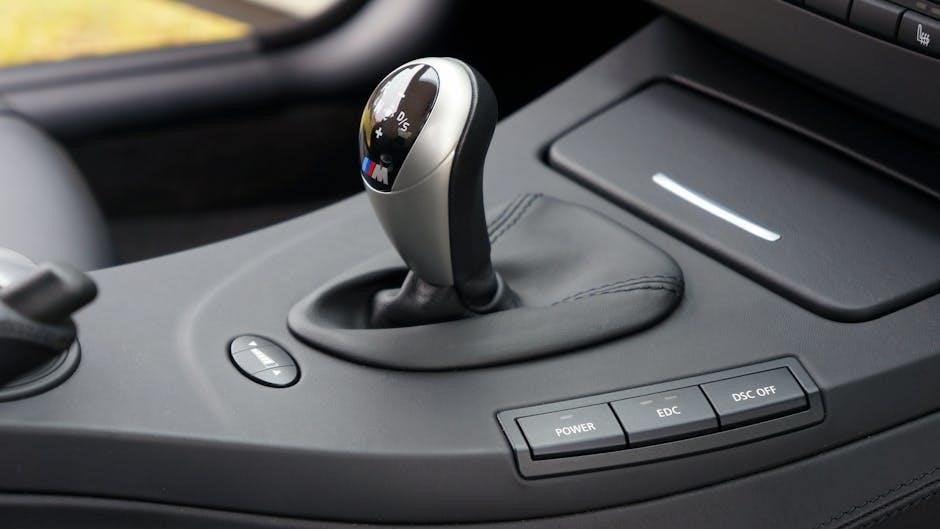
The Sequential Manual Gearbox (SMG) in the E46 M3 is a single-clutch automated manual transmission. Unlike a traditional manual, it uses actuators to shift gears, controlled by the car’s ECU. While marketed as offering the benefits of both manual and automatic transmissions, it’s fundamentally different from either.
The SMG utilizes hydraulic actuators to operate the clutch and shift forks, responding to driver input via steering wheel-mounted paddles or the gear selector. It features six speeds and various shift programs, including Drive, Sport, and Manual. However, the system’s reliance on hydraulics and complex electronics can lead to reliability issues and expensive repairs. Understanding its intricacies is crucial before attempting a conversion, as removing the SMG requires careful disconnection of numerous sensors and actuators.
Benefits of a Manual Transmission in the E46 M3
Switching to a manual transmission in the E46 M3 unlocks a more engaging and connected driving experience. Many enthusiasts prefer the direct control and feel offered by a traditional gearbox, enhancing driver involvement and enjoyment. A manual eliminates the SMG’s sometimes-jerky shifts and perceived lag, providing smoother and more predictable power delivery.
Beyond the driving experience, a manual conversion often increases the car’s value and appeal to purists. It also removes the potential for costly SMG repairs, a common concern for E46 M3 owners. The manual gearbox is generally considered more reliable, offering peace of mind and reducing long-term maintenance expenses. Ultimately, the conversion transforms the M3 into a more visceral and rewarding machine.

Parts Required for the Conversion
Essential components include a gearbox, clutch kit, flywheel, bellhousing, pedal assembly, and potentially a modified driveshaft for compatibility with the new setup.
Gearbox Options and Sourcing
Selecting the correct gearbox is paramount for a successful conversion. The Getrag 235, commonly found in the E46 330i, is a frequent choice due to its relative affordability and robust construction. However, for increased strength and closer gear ratios, enthusiasts often opt for the Getrag 236 from the E46 M3 itself, though sourcing one can be more challenging and expensive.
Finding a suitable gearbox requires diligent searching. Online marketplaces like eBay and dedicated BMW forums are excellent starting points. Salvage yards specializing in BMWs can also yield results, but careful inspection is crucial to ensure the gearbox is in good working order, free from damage, and hasn’t suffered excessive wear. Consider the mileage and history of the gearbox before committing to a purchase. Thoroughly research the seller’s reputation and ask detailed questions about the unit’s condition.
Clutch Kit Selection
Choosing the right clutch kit is vital for a smooth and reliable conversion. Several options cater to different driving styles and power levels. For a stock or mildly modified E46 M3, a performance-oriented organic clutch kit provides excellent drivability and sufficient holding power. However, if you plan significant engine upgrades, a more aggressive ceramic or multi-plate clutch is recommended to handle the increased torque.
Consider factors like pedal effort and engagement point when selecting a kit. Stiffer clutches require more force to depress, potentially leading to fatigue during prolonged driving. Research reputable brands known for quality and durability. Ensure the kit includes all necessary components – disc, pressure plate, throw-out bearing, and pilot bearing – for a complete installation. Don’t skimp on this crucial component; a quality clutch ensures optimal performance and longevity.
Flywheel Considerations
The flywheel is a critical component during the SMG to manual conversion, demanding careful consideration. You’ll need a flywheel designed for a manual transmission, as the SMG flywheel is incompatible. Lightweight flywheels reduce rotational inertia, improving engine responsiveness and acceleration, but can make the car slightly more difficult to drive smoothly at low speeds. Dual-mass flywheels offer improved NVH (noise, vibration, and harshness) but are heavier and potentially less durable.

Ensure the flywheel is properly balanced to prevent vibrations. Inspect the flywheel surface for damage or wear before installation. Some flywheels may require machining or resurfacing to ensure a perfect mating surface with the clutch disc. Consider the flywheel’s weight in relation to your driving style and intended use; a balanced approach is often best for street-driven cars.

Bellhousing and Machining
The bellhousing presents a significant hurdle in the SMG to manual conversion, as the SMG bellhousing is designed for a different input shaft spline and bolt pattern. Typically, the existing SMG bellhousing needs to be machined to accept the manual transmission’s input shaft. This machining process requires precision and expertise; selecting a reputable machine shop is crucial for a successful outcome.
Expect to pay between $450 and $600 for bellhousing machining, with costs varying depending on the shop’s labor rates and the complexity of the work; Some shops specialize in this conversion and may offer pre-machined bellhousings, eliminating the need for local machining. Thoroughly inspect the bellhousing after machining to ensure proper alignment and fitment before proceeding with the installation.

The Conversion Process
Installation involves meticulous steps, including wiring harness modifications, pedal assembly changes, and ensuring driveshaft/differential compatibility for a smooth transition.
Step-by-Step Installation Overview
The conversion begins with safely removing the existing SMG gearbox, driveshaft, and related components. Next, install the new flywheel, clutch, and manual gearbox assembly, ensuring proper alignment. Modifications to the transmission tunnel might be necessary for clearance.
Subsequently, the pedal assembly must be swapped for a manual setup, including the clutch pedal and linkage. Carefully route the new linkage, ensuring smooth and precise engagement. The driveshaft may require shortening or replacement to match the manual gearbox output flange.
Wiring harness modifications are crucial, as the SMG system’s electronic controls need to be bypassed or repurposed. Finally, thoroughly inspect all connections and fluid levels before the initial test drive, verifying proper operation.

Wiring Harness Modifications
The SMG system relies heavily on electronic control, necessitating significant wiring harness modifications during the conversion; Removing the SMG module is the first step, followed by de-pinning or rerouting wires related to clutch control and gear selection.
You’ll need to integrate wiring for a traditional clutch switch, ensuring the ECU recognizes clutch engagement. The gear position sensor wiring must also be adapted for the manual transmission. Some installers choose to fully bypass the SMG wiring, while others repurpose certain circuits for other functions.
Careful attention to detail and a wiring diagram are essential to avoid electrical issues. Proper insulation and secure connections are vital for a reliable conversion.
Pedal Assembly and Linkage
Switching from the SMG’s two-pedal setup to a traditional three-pedal configuration requires a complete pedal assembly change. Sourcing a manual transmission pedal assembly – including the clutch, brake, and accelerator – is the initial step. Installation involves bolting the new assembly into the existing mounting points, ensuring proper alignment.
The clutch linkage is a critical component, demanding careful adjustment for smooth engagement and disengagement. This typically involves a cable or hydraulic system connecting the pedal to the clutch fork. Precise adjustment is crucial to prevent issues like clutch slippage or difficulty shifting.
Verify full pedal travel and proper return spring function for optimal driving experience.
Driveshaft and Differential Compatibility
Ensuring compatibility between the new manual transmission, driveshaft, and differential is paramount for a successful conversion. The SMG and manual E46 M3 models often utilize different driveshaft lengths and flange types. Therefore, a driveshaft modification or replacement is frequently necessary.
Carefully inspect the differential for any signs of wear or damage, as it will now be subjected to different torque characteristics. While the standard E46 M3 differential is generally compatible, verifying the correct gear ratio for your driving style is advisable.
Proper driveshaft balancing is essential to prevent vibrations. Confirm all connections are secure and utilize appropriate hardware.
Cost Breakdown and Budgeting
Budget approximately $2500 for parts and labor, but anticipate potential hidden costs; bellhousing machining can range from $450 to $600, varying by shop.
Estimated Total Cost (Parts & Labor)
Estimating the total cost for an E46 M3 SMG to manual conversion requires careful consideration of numerous factors, with significant variation depending on parts sourcing and labor rates. A realistic budget should begin around $2500, encompassing the gearbox, clutch kit, flywheel, and associated hardware. However, this figure is a baseline and can quickly escalate.
Labor costs represent a substantial portion of the overall expense. Bellhousing machining, a critical step, typically falls between $450 and $600, depending on the machine shop’s expertise and location. Installation labor itself can range dramatically, from $1500 to $7000 or even higher, depending on the shop’s hourly rate and the complexity encountered during the process. Shops with prior E46 M3 conversion experience may offer more competitive pricing.

Furthermore, unforeseen issues during installation can add to the final bill. It’s prudent to allocate a contingency fund of at least $500 to cover unexpected repairs or additional parts. Therefore, a comprehensive estimate, including parts, labor, and contingency, could easily reach $4000 ー $8000 or more.
Potential Hidden Costs
Beyond the primary components and labor, several potential hidden costs can inflate the budget for an E46 M3 SMG to manual conversion. Worn or damaged components discovered during disassembly, such as driveshaft flex discs or differential seals, necessitate replacement, adding to the expense. Unexpected issues with the bellhousing requiring additional machining or even replacement are also possible.
ECU recoding and adaptation, crucial for proper transmission function, may incur separate charges from a specialist. Furthermore, the clutch hydraulic system may require servicing or component replacement, particularly if the original system is aged. Don’t overlook the cost of fluids – transmission oil, brake fluid (due to pedal assembly changes), and potentially differential oil.
Finally, shipping costs for parts, especially if sourcing from multiple vendors, can accumulate. A thorough pre-conversion inspection can help identify potential issues, but a contingency fund of at least $500 is highly recommended to address unforeseen expenses and ensure a smooth conversion process.
Labor Rates and Shop Selection
Selecting the right shop is paramount for a successful E46 M3 SMG to manual conversion, as labor costs significantly impact the overall expense. Labor rates vary widely, ranging from $100 to $180+ per hour depending on location and shop expertise. Some shops specialize in BMWs or even specifically in this conversion, commanding higher rates but offering superior knowledge.
Obtain quotes from multiple shops, detailing exactly what’s included – disassembly, installation, wiring, ECU coding, and any potential machining. A shop quoting $7,000 for the entire job has been reported, highlighting the range. Verify the shop’s experience with this specific conversion; ask about previous E46 M3 manual swaps and request references.
Consider whether you’ll provide parts or if the shop will source them, as this affects the labor rate. A clear, written estimate outlining all costs is essential to avoid surprises. Prioritize shops with strong communication and a proven track record of quality work.

Potential Issues and Troubleshooting
Post-conversion, expect potential ECU recoding needs and adaptation issues; common installation problems may arise, requiring careful diagnosis and skilled troubleshooting expertise.
Common Problems During Installation
During the E46 M3 SMG to manual conversion, several challenges frequently emerge. Bellhousing machining inconsistencies are a significant concern, potentially requiring multiple attempts to achieve proper fitment and alignment, impacting both time and budget. Wiring harness modifications can be complex, with identifying and repurposing SMG-specific wires proving difficult, leading to electrical gremlins post-installation.
Driveshaft compatibility is another common hurdle; ensuring the correct length and flange type is crucial to avoid vibrations or damage. Pedal assembly installation can be tricky, requiring precise adjustments for proper clutch engagement and feel. Furthermore, stripped threads during component installation, particularly within the transmission tunnel, are not uncommon and demand careful repair. Thorough preparation and patience are key to mitigating these issues.
Post-Conversion Issues and Solutions
Following an E46 M3 SMG to manual swap, several issues can arise. Clutch engagement problems, like slipping or a high bite point, often require clutch cable adjustment or, in some cases, a different clutch disc. Transmission noise, such as whining or grinding, may indicate improper installation or worn internal components, necessitating inspection and potential rebuild.
Driveshaft vibrations are frequently addressed by rebalancing or replacing the driveshaft with a properly sized unit. ECU adaptation is critical; failing to recode the ECU can result in incorrect sensor readings and suboptimal performance. Finally, occasional difficulty selecting gears can be resolved with careful transmission linkage adjustment. Addressing these promptly ensures a smooth and enjoyable driving experience.
ECU Recoding and Adaptation
Post-conversion, the E46 M3’s Engine Control Unit (ECU) must be recoded to reflect the manual transmission. The original SMG programming causes issues like incorrect sensor readings, potentially triggering warning lights and limiting performance. Disabling the SMG module is crucial, as it will continue to attempt control, leading to errors.
Specialized BMW coding software, such as INPA or DIS, is required for this process. Correct coding removes SMG-related functions and enables proper operation of the manual system. Adaptation is also necessary; the ECU needs to “learn” the new transmission parameters for optimal throttle response and gear changes. Failure to properly recode and adapt the ECU will result in a compromised driving experience.